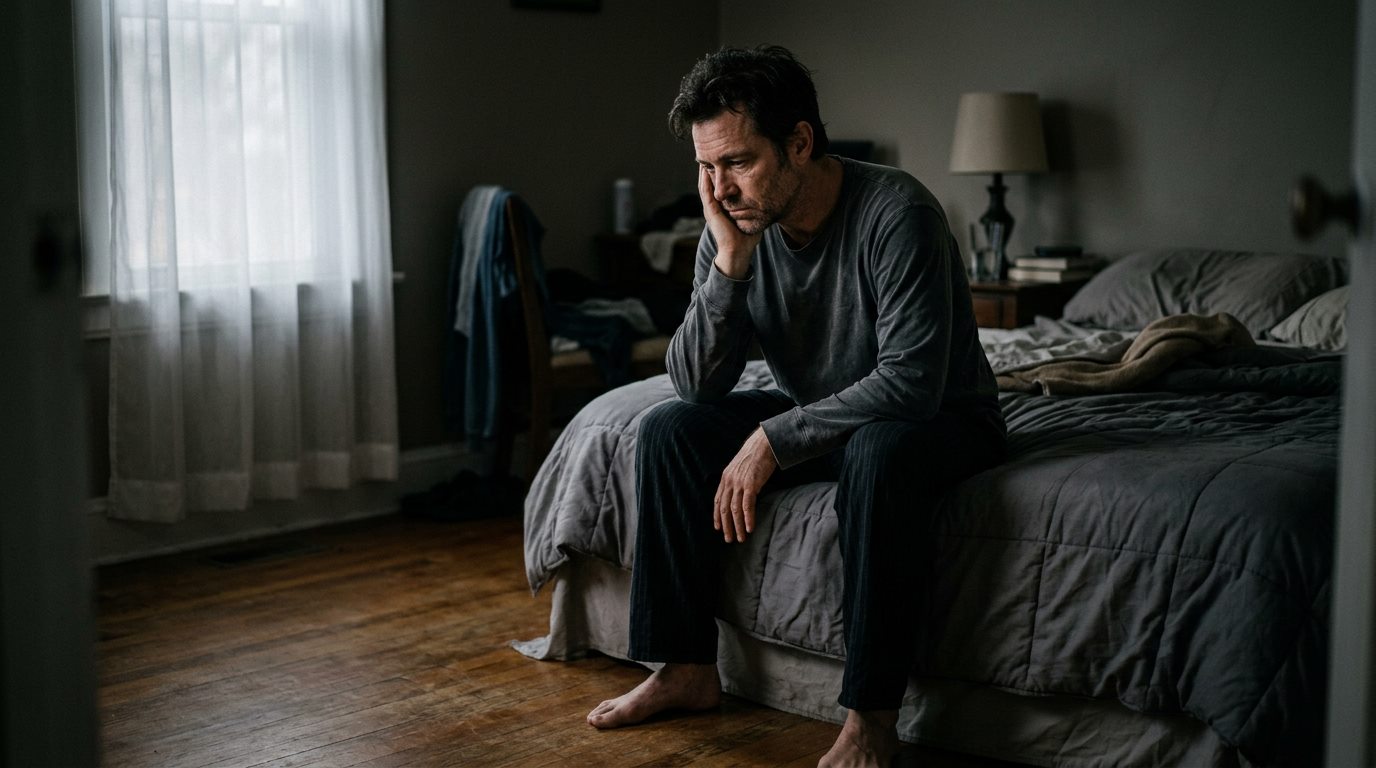

Your late teens and twenties are full of big changes: finishing school, starting a career, moving out, building relationships, and figuring out who you are. These years can be exciting, but they can also bring a lot of pressure, worry, and uncertainty. If you are looking for counseling for young adults in Novi, MI, this guide covers the most common struggles young adults face, the signs that it may be time to talk to someone, and how therapy can help.
Why Young Adults Often Struggle With Mental Health
You are not alone if this stage of life feels hard. According to the National Institute of Mental Health, adults aged 18 to 25 have the highest rate of mental illness of any adult age group, at about 36% in a recent national survey.
Many changes happen at once during these years, and you may be facing them with less support than before. Common pressures include:
- College, exams, and decisions about your future
- Starting a first job or changing careers
- Money worries, debt, and the cost of living
- Moving away from family or living on your own for the first time
- Dating, breakups, and changing friendships
- Comparing yourself to others on social media
- Questions about identity, purpose, and direction

Common Concerns Counseling Can Help With
Anxiety and constant worry
Worrying about grades, work, money, or the future is common. When worry becomes constant, causes panic, or keeps you from sleeping or making decisions, counseling can help you manage it.
Depression and low mood
Feeling sad, empty, unmotivated, or hopeless most days for two weeks or more can be a sign of depression. It can make it hard to keep up with classes, work, or friends.
Stress and burnout
Juggling school, work, and personal life can leave you exhausted. Burnout can show up as feeling drained, irritable, or detached from things you used to care about.
Relationship and family challenges
Conflict with parents, roommates, partners, or friends is common as relationships change. Therapy can help you communicate, set boundaries, and handle conflict.
Big life changes
Graduating, moving, starting a job, or the end of a relationship can feel overwhelming, even when the change is positive.
Trouble focusing
Some young adults first notice attention problems when the demands of college or work increase. Ongoing trouble focusing, staying organized, or finishing tasks may be worth discussing with a provider.
Low self-esteem and identity questions
Feeling “behind” your peers or unsure of who you are can affect your confidence. Counseling gives you space to explore your values and goals.
Signs It May Be Time to Talk to a Counselor
Consider reaching out if:
- You feel anxious, sad, or on edge most days
- Your grades, work, or relationships are suffering
- You have trouble sleeping, or you sleep much more than usual
- You have pulled away from friends or activities you used to enjoy
- You rely on alcohol, substances, or other habits to cope
- You feel stuck, hopeless, or unsure how to move forward
- Friends or family have told you they are worried about you
If you are having thoughts of harming yourself, please get help right away. Call or text 988 to reach the Suicide & Crisis Lifeline, or call 911.
How Counseling Helps Young Adults
Counseling gives you a private, judgment-free place to talk about what is going on and learn practical skills. A counselor can help you:
- Understand what is driving your stress, anxiety, or low mood
- Build coping skills for pressure, worry, and setbacks
- Improve communication and set healthy boundaries
- Make decisions about school, work, and relationships with more confidence
- Build routines that support sleep, focus, and well-being
- Work through grief, breakups, or other painful experiences
Our individual therapy in Novi offers one-on-one support for anxiety, depression, stress, relationship challenges, and major life changes.

What to Expect at Your First Counseling Session
Your first session is a chance to get to know your counselor. You will talk about what brings you in, how things are going at school, work, and home, and what you would like to change. You can ask questions too. Together, you will set goals and decide how often to meet. You only share what you are comfortable sharing.
When a Psychiatric Evaluation May Help
Sometimes counseling is enough on its own. Other times, symptoms such as severe anxiety, depression, or ongoing attention problems may benefit from a closer look. A psychiatric evaluation in Novi can help clarify what is going on and whether medication should be part of your care. Because ABHS offers therapy and psychiatric care in the same practice, your providers can coordinate your treatment.
Counseling for Young Adults in Novi, MI
At Alliance Behavioral Health Specialists, we help young adults work through anxiety, depression, stress, relationship challenges, grief, and major life changes. Our office is at 43155 Main St, Suite #2316, in Novi, Michigan, and serves people from Northville, Farmington Hills, Wixom, Commerce Township, Walled Lake, and nearby communities. Evening and weekend appointments are available as needed, which can help if you have classes or work during the day. Call (248) 934-0274 to ask about scheduling and insurance.
Frequently Asked Questions
What age counts as a young adult?
Young adulthood usually refers to the years from about 18 to the mid-twenties, a time of major changes in school, work, independence, and relationships.
Do I need my parents’ permission to see a counselor?
If you are 18 or older, you can usually book your own appointments. If you are on a parent’s insurance plan, ask the office or your insurer how billing and statements are handled.
Is counseling confidential?
Yes. What you share in counseling is private, with a few legal exceptions, such as when someone’s safety is at serious risk. Your counselor will explain these at your first visit.
How often will I need to go?
Many people start with weekly or every-other-week sessions. As you feel better, sessions may become less frequent.
Can counseling help with school or work stress?
Yes. Counseling can help you manage pressure, improve time management and focus, and handle setbacks in healthier ways.
What if I am not sure what is wrong?
That is okay. You do not need to know exactly what is going on before you reach out. A counselor can help you sort through it and decide on next steps.
This article is for general educational purposes and is not a substitute for professional medical advice, diagnosis, or treatment. If you are in crisis or thinking about harming yourself, call or text 988 (Suicide & Crisis Lifeline) or call 911.