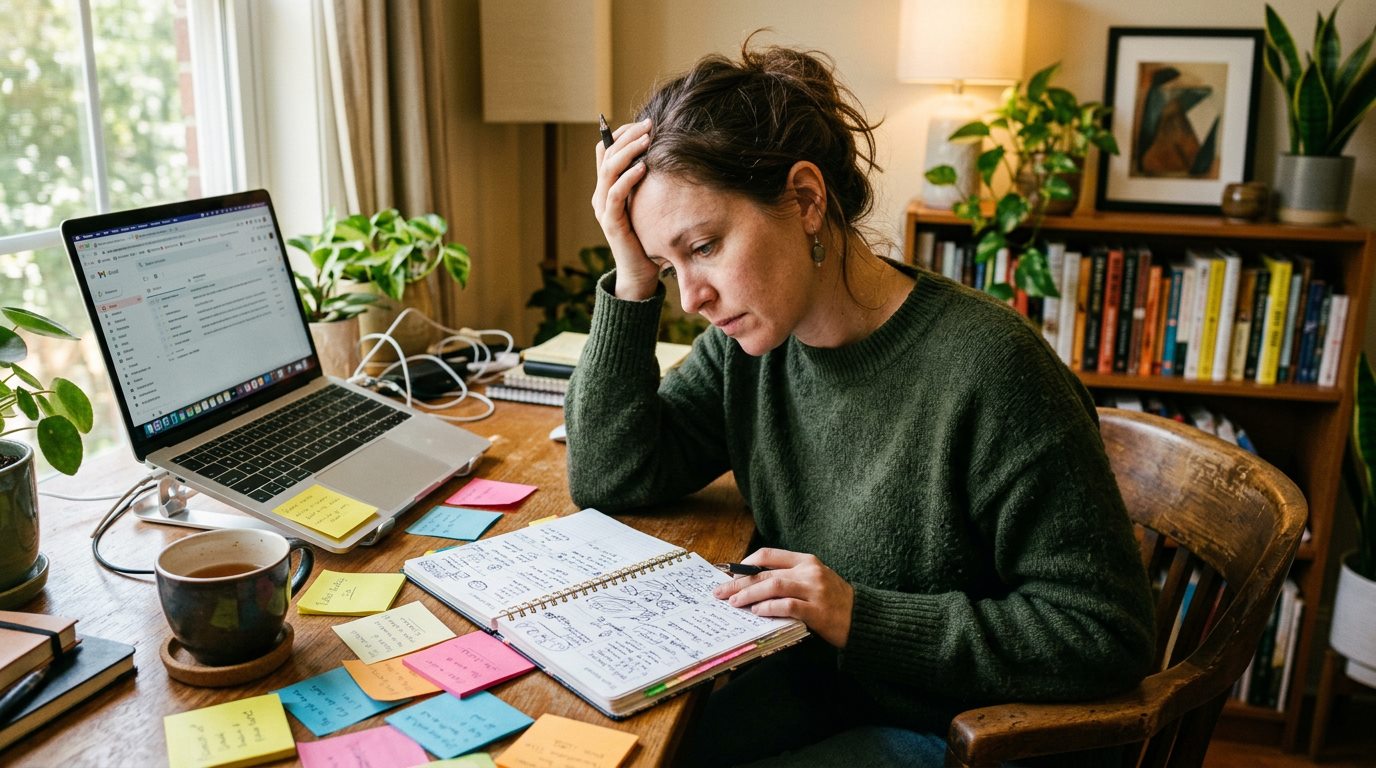
Have you always felt scattered, overwhelmed, or “behind,” even though you work twice as hard as everyone else? Many women spend years blaming themselves for forgetfulness, disorganization, or racing thoughts before anyone mentions ADHD. ADHD in women often looks different than the hyperactive stereotype, which is why it is so frequently missed.
This guide explains the common signs of ADHD in adult women, why they are overlooked, how ADHD differs from anxiety and depression, and when it makes sense to get evaluated.
Why ADHD in Women Is Often Missed
ADHD (attention-deficit/hyperactivity disorder) affects attention, activity level, and impulse control. According to the National Institute of Mental Health, ADHD symptoms often begin in childhood and can continue into adulthood. Yet many women are not diagnosed until their 20s, 30s, 40s, or later. Common reasons include:
- Quieter symptoms: girls and women are more likely to have mainly inattentive symptoms, such as daydreaming, forgetfulness, and trouble staying organized. These are easier to miss than disruptive behavior.
- Masking: many women learn to hide their struggles by overpreparing, people-pleasing, working late, or relying on strict routines. From the outside, they may look like they are coping well.
- Old stereotypes: for a long time, ADHD was pictured as a hyperactive young boy. Much of the early research focused on boys, so symptoms in girls were often overlooked.
- Misdiagnosis: trouble concentrating, restlessness, and feeling overwhelmed can be mistaken for anxiety or depression. Some women are treated for these conditions for years without anyone checking for ADHD.
Common Signs of ADHD in Adult Women
Everyone has some of these experiences sometimes. With ADHD, they are ongoing, start early in life, and affect daily life in more than one area.
Attention and organization
- Losing track of keys, phones, bills, or appointments
- A home, car, or desk that quickly becomes cluttered no matter how often you clean
- Starting many tasks but struggling to finish them
- Procrastinating on important tasks until the last minute
- Zoning out during conversations, meetings, or reading
- Time blindness: often running late or underestimating how long things take
Restlessness on the inside
- Racing thoughts or a mind that never seems to switch off
- Trouble relaxing, even on days off
- Talking quickly, interrupting, or finishing other people’s sentences
- Feeling a constant need to stay busy
Emotional signs
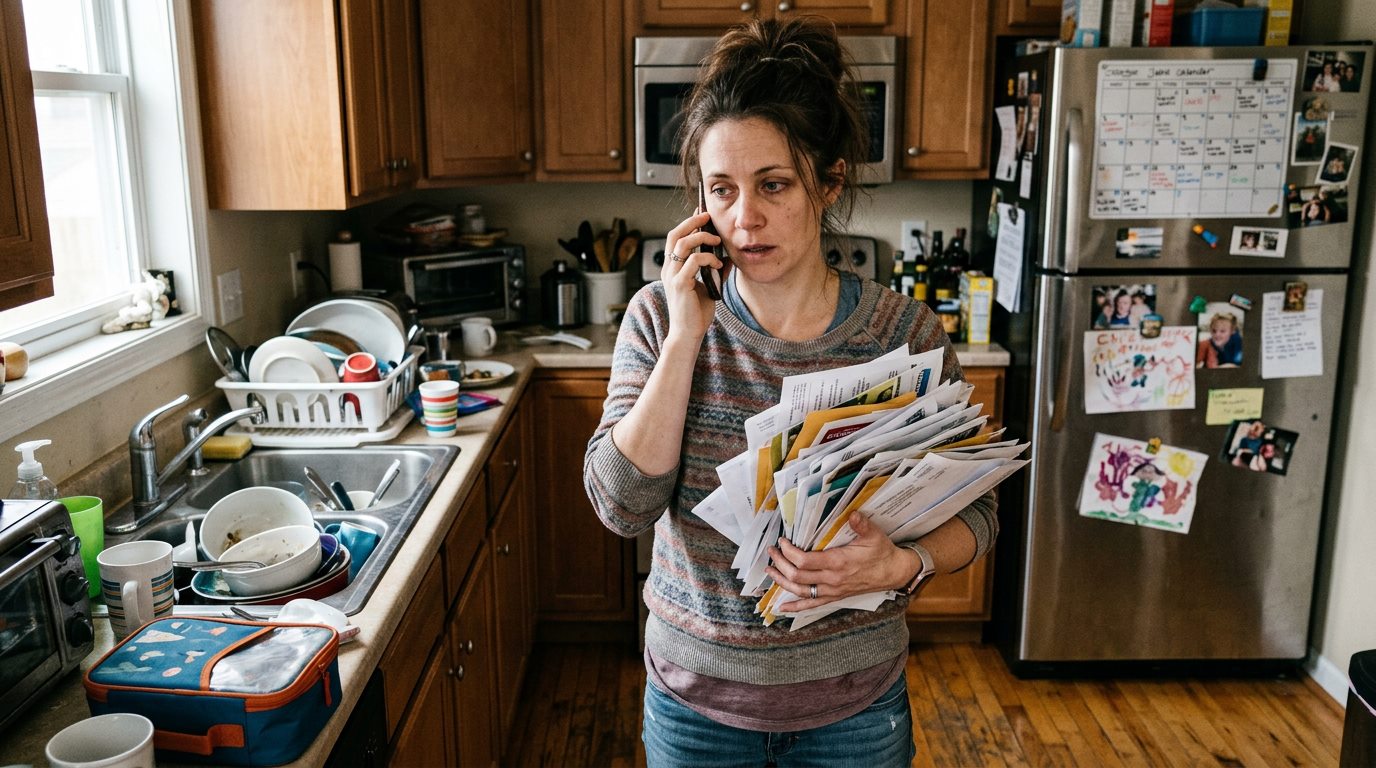
- Feeling easily overwhelmed by everyday responsibilities
- Strong reactions to criticism or feeling rejected
- Quick frustration, then guilt or shame afterward
- Low self-esteem from years of feeling “not good enough” or “lazy”
Daily life and relationships
- Exhaustion from working harder than others to keep up
- Difficulty managing household tasks, schedules, and family needs
- Forgetting plans or messages, which can strain friendships and relationships
- Impulsive spending or decisions you later regret
These signs do not mean you have ADHD. Many can also come from stress, poor sleep, anxiety, depression, thyroid problems, or other health issues. Only a qualified professional can make a diagnosis.
ADHD in Your 30s, 40s, and Beyond
ADHD does not suddenly start in adulthood. Symptoms begin in childhood, but they may not cause obvious problems until life gets more demanding. Many women first seek answers:
- When college, a new job, or a promotion adds more responsibility
- After having children, when there is much more to organize and remember
- When their own child is evaluated for ADHD and they recognize the same patterns
- During hormonal changes, such as pregnancy or perimenopause, when many women report that focus and memory feel harder to manage
If you are noticing these struggles for the first time in midlife, it is worth looking back. Did teachers say you were bright but distracted? Did you rely on last-minute cramming? Those clues can help an evaluator.
ADHD, Anxiety, or Depression?
ADHD, anxiety, and depression often overlap, and it is common to have more than one. The table below shows some general differences, but a professional evaluation is the only way to know for sure.
| ADHD | Anxiety | Depression | |
|---|---|---|---|
| Focus | Attention drifts, especially on boring tasks | Worry pulls attention away | Slowed thinking, low motivation |
| When it started | Signs since childhood | Any age, often with stress | Any age, often in episodes |
| Energy | Restless, busy mind | Tense, on edge | Low energy, tired |
| Interest | Strong interest in exciting tasks | Interest usually stays, but worry interferes | Loss of interest in things you used to enjoy |
Untreated ADHD can also lead to anxiety or low mood over time, because constantly falling behind is stressful. Treating only the anxiety or depression may leave the underlying ADHD unaddressed.
ADHD Self-Check: Questions to Ask Yourself
This is not a test or a diagnosis, but these questions can help you decide whether an evaluation is worth it:
- Have I struggled with focus, organization, or time for as long as I can remember?
- Do I work much harder than others just to keep up?
- Do people describe me as forgetful, scattered, or always late?
- Do these problems affect more than one area of my life, such as work and home?
- Have treatments for anxiety or depression helped my mood but not my focus?
- Does anyone in my family have ADHD?
If you answered yes to several of these, talking with a professional may help you get clear answers.

How ADHD Is Diagnosed in Women
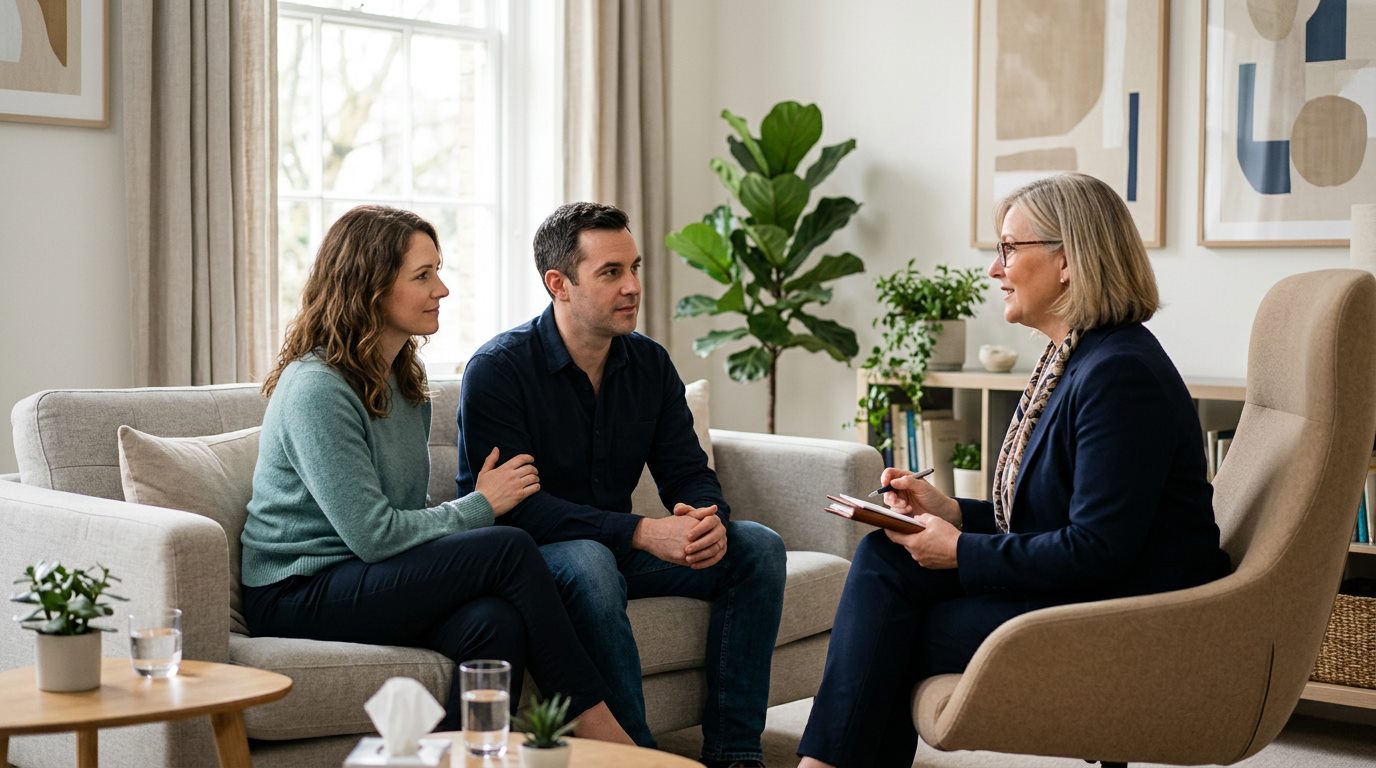
There is no single blood test or scan for ADHD. A diagnosis comes from a careful evaluation that may include a detailed interview, personal and family history, questionnaires, and sometimes psychological testing. A good evaluator also checks for anxiety, depression, sleep problems, and other conditions that can look like ADHD.
For a step-by-step look at what an evaluation involves, read our guide to ADHD testing in Novi, MI.
Treatment Options for Women With ADHD
ADHD treatment is personal. It often includes one or more of the following:
- Therapy: practical strategies for organization, time management, and emotional regulation, plus support with the shame and self-criticism many women carry.
- Medication: for some women, medication can improve focus and attention. It needs regular follow-up to check how well it works and to watch for side effects.
- Treating related conditions: addressing anxiety, depression, or sleep problems alongside ADHD.
- Daily systems: reminders, visual planners, and routines that work with your brain instead of against it.
Many women say a diagnosis brings relief, because it explains years of struggling and opens the door to support that actually fits.
ADHD Evaluation for Women in Novi, MI
If these signs feel familiar, you do not have to keep guessing or blaming yourself. Alliance Behavioral Health Specialists offers a psychological evaluation in Novi, MI that can help assess attention, anxiety, behavior, and emotional functioning. Because our practice also provides psychiatric care, therapy, and medication management, your evaluation and treatment can be coordinated in one place.
Our office is at 43155 Main St, Suite #2316, in Novi, Michigan, and serves women from Northville, Farmington Hills, Wixom, Commerce Township, Walled Lake, and nearby communities. Call (248) 934-0274 to ask about scheduling and insurance.
Frequently Asked Questions
Is ADHD different in women than in men?
ADHD is the same condition, but it often looks different. Women are more likely to have mainly inattentive symptoms and to hide their struggles, so their ADHD is more often missed.
Can a woman develop ADHD as an adult?
ADHD symptoms begin in childhood, but many women are not diagnosed until adulthood. Symptoms may become more noticeable when life gets busier or during hormonal changes.
Can hormones affect ADHD symptoms?
Many women report that focus, mood, and memory feel harder to manage at certain points in their menstrual cycle, after pregnancy, or around perimenopause. Research on this is still growing, so it is worth discussing with your provider.
Is it ADHD or anxiety?
It can be either, or both. The two often overlap. A full evaluation looks at when your symptoms started and what drives them.
Is there an online ADHD test for women?
Online quizzes and checklists can help you decide whether to seek help, but they cannot diagnose ADHD. A diagnosis requires an evaluation by a qualified professional.
What is ADHD masking?
Masking means hiding or making up for ADHD symptoms, for example by overpreparing, staying up late to catch up, or copying how others behave. It can work for a while but often leads to exhaustion and burnout.
This article is for general educational purposes and is not a substitute for professional medical advice, diagnosis, or treatment. If you are in crisis or thinking about harming yourself, call or text 988 (Suicide & Crisis Lifeline) or call 911.