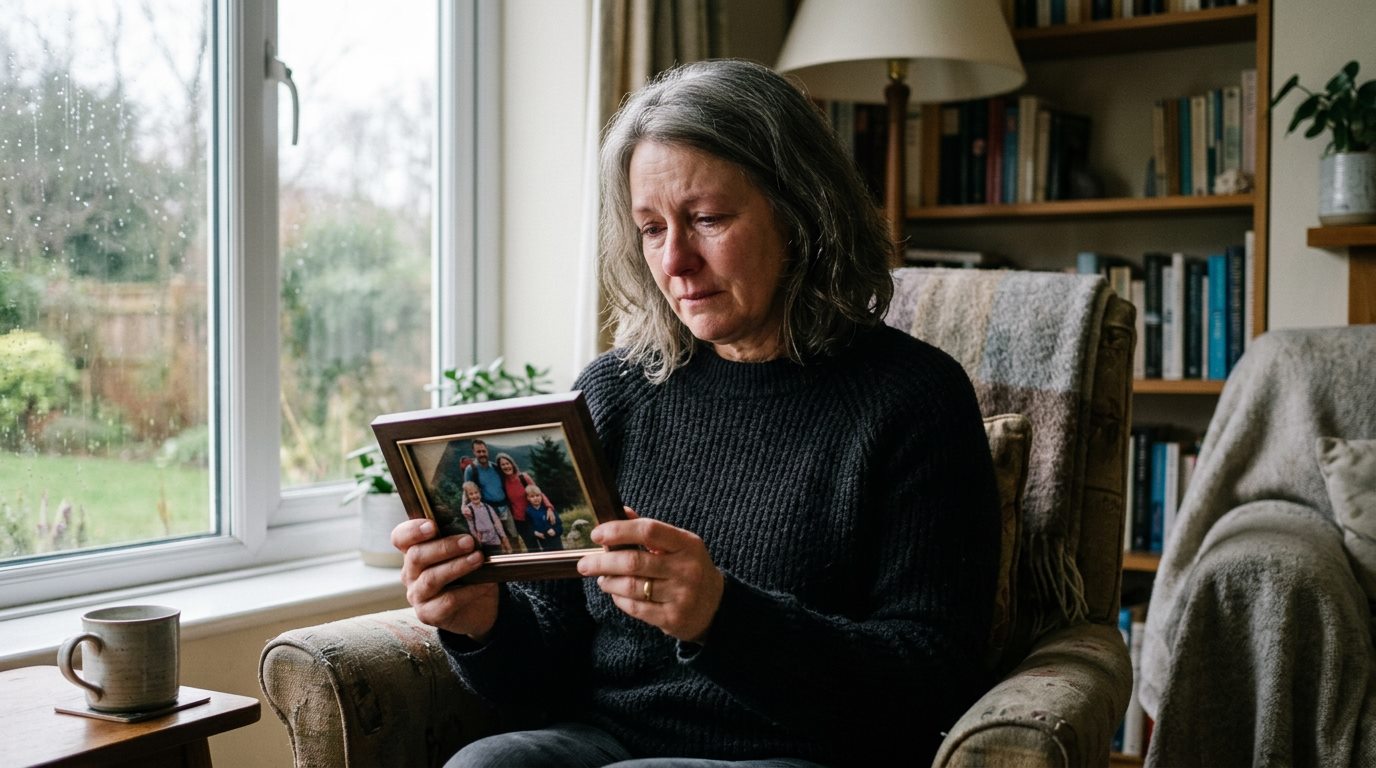
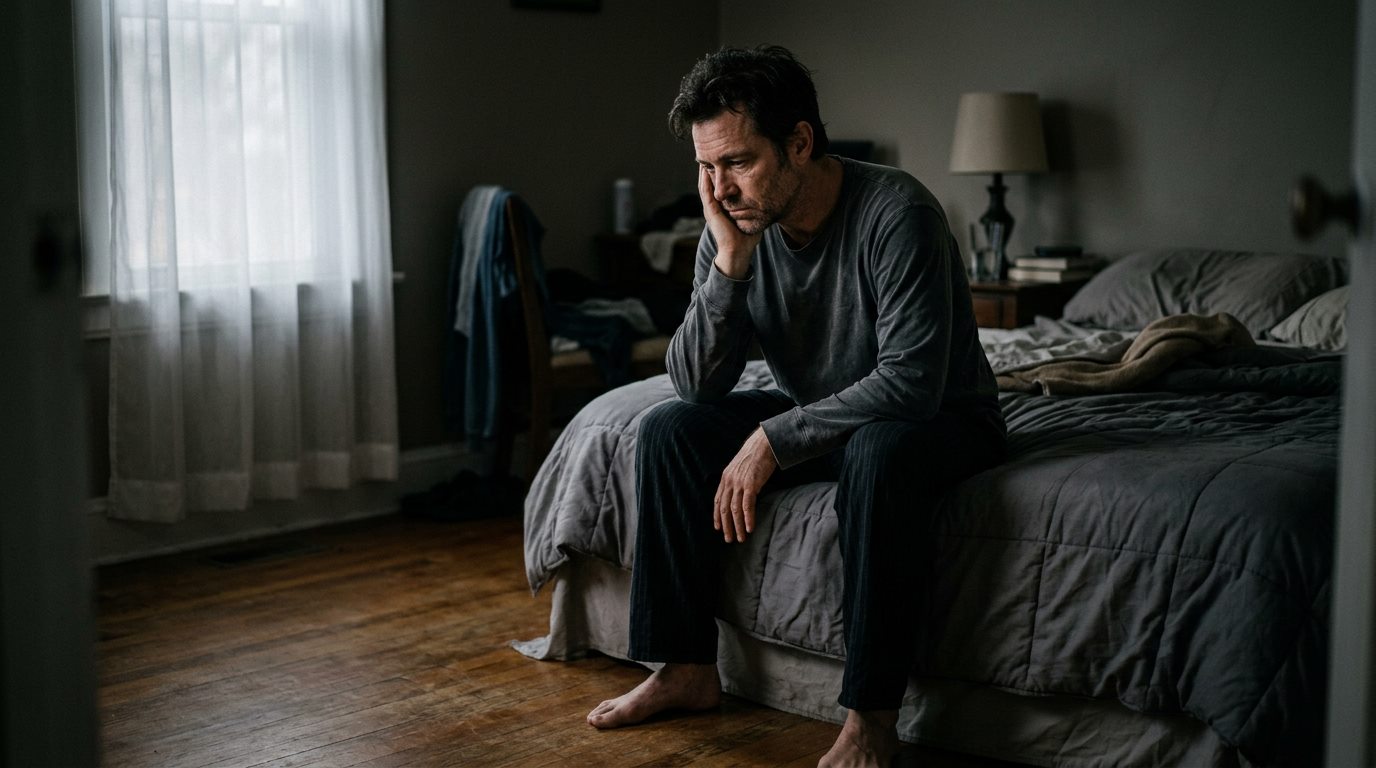
Depression can make everyday life feel heavy. Getting out of bed, going to work, or enjoying time with family can start to feel like too much. The good news is that depression is treatable, and most people improve with the right care. If you are looking for depression treatment in Novi, MI, this guide explains the signs that it is time to get help, the main treatment options, what to expect at your first visit, and how long treatment usually takes.
What Is Depression?
Depression is more than feeling sad for a few days. It is a common but serious mood disorder that affects how you feel, think, sleep, eat, and handle daily activities. According to the National Institute of Mental Health, symptoms generally need to last at least two weeks for depression to be diagnosed.
Depression can affect anyone, at any age. It is not a sign of weakness, and it is not something you can simply “snap out of.” Like other health conditions, it responds best to proper treatment.
Signs You May Need Depression Treatment
Consider talking with a professional if you have had several of these signs for two weeks or more:
- Feeling sad, empty, or hopeless most of the day
- Losing interest in hobbies, friends, or activities you used to enjoy
- Sleeping much more or much less than usual
- Changes in appetite or weight
- Feeling tired or low on energy, even after rest
- Trouble concentrating, remembering, or making decisions
- Feeling worthless or guilty
- Feeling restless or slowed down
- Irritability, especially in teens and men
- Thoughts of death or suicide
If you are having thoughts of harming yourself, please get help right away. Call or text 988 to reach the Suicide & Crisis Lifeline, or call 911.

Common Types of Depression
Your provider will look at the type of depression you have, because it can shape the treatment plan.
- Major depression: symptoms that make it hard to work, sleep, eat, or enjoy life for at least two weeks.
- Persistent depressive disorder: a milder but long-lasting low mood that continues for two years or more.
- Postpartum depression: depression during pregnancy or after giving birth, which is more serious than the “baby blues.”
- Seasonal depression: depression that comes and goes with the seasons, usually starting in the fall or winter.
- Depression with anxiety: many people have both at the same time, and treatment can address both together.
Depression Treatment Options
There is no single treatment that works for everyone. A good plan is personal and may change over time. The most common options are below.
1. Therapy (psychotherapy)
Talk therapy helps you understand your thoughts, feelings, and patterns, and learn practical skills to feel better. Common approaches include:
- Cognitive behavioral therapy (CBT): helps you notice and change negative thinking patterns and habits.
- Interpersonal therapy (IPT): focuses on relationships, life changes, grief, and conflict.
- Behavioral activation: helps you slowly add back meaningful activities that lift your mood.
Therapy is often the first step for mild to moderate depression. Our individual therapy in Novi gives you a private space to work on these skills with a licensed therapist.
2. Medication
Antidepressant medications can help balance the brain chemicals that affect mood. Common types include SSRIs, SNRIs, and other classes of antidepressants. A few things to know:
- Most antidepressants take several weeks to show their full effect.
- The first medication is not always the right fit. Doses or medications are sometimes adjusted.
- Do not stop a medication suddenly without talking to your prescriber.
- Regular follow-up visits help track how well it works and watch for side effects.
3. Therapy and medication together
For moderate to severe depression, many people do best with both. Therapy builds coping skills, while medication can ease symptoms enough to make that work possible.
4. Other treatments
When depression does not improve after trying several treatments, a provider may discuss other options, such as brain stimulation therapies like transcranial magnetic stimulation (TMS). These are usually considered after other treatments, and your provider can explain whether they fit your situation.
5. Daily habits that support recovery
Habits do not replace treatment, but they can help it work better:
- Keeping a regular sleep schedule
- Moving your body, even with a short daily walk
- Eating regular, balanced meals
- Limiting alcohol and other substances
- Staying in touch with supportive people
- Breaking big tasks into small steps
Therapy vs. Medication: How They Compare
| Therapy | Medication | Both together | |
|---|---|---|---|
| Often used for | Mild to moderate depression | Moderate to severe depression | Moderate to severe or long-lasting depression |
| How it helps | Builds skills and changes thought patterns | Eases mood, sleep, and energy symptoms | Symptom relief plus long-term skills |
| Time to notice change | Often within several weeks | Usually several weeks | Varies by person |
| Provider | Therapist or psychologist | Psychiatrist or other prescriber | A coordinated care team |
Can Depression Be Treated Without Medication?
Yes, for many people. Mild to moderate depression often improves with therapy and healthy daily habits alone. For more severe depression, medication is often recommended, because it can make it easier to benefit from therapy. The right choice depends on your symptoms, history, and preferences, and it is a decision you make together with your provider.
Treatment for Depression and Anxiety Together
Depression and anxiety often happen together. You may feel low and hopeless while also feeling worried, tense, or restless. The good news is that many treatments help both. CBT, for example, is used for depression and anxiety, and some medications treat both conditions. A full evaluation helps your provider see the whole picture so treatment targets everything you are dealing with.

What Happens at Your First Appointment?
Your first visit is mainly a conversation. You can expect your provider to:
- Ask about your symptoms, how long they have lasted, and how they affect daily life
- Review your health history, current medications, sleep, and substance use
- Ask about family history of depression or other mental health conditions
- Use short questionnaires to measure your symptoms
- Check for medical issues, such as thyroid problems, that can cause similar symptoms
- Talk with you about treatment options and create a plan together
It helps to bring a list of your medications, any questions you have, and notes about when your symptoms started.
How Long Does Depression Treatment Take?
Every person is different. Many people start to feel some improvement within several weeks of starting treatment. A full course of therapy often lasts a few months. People who take medication are usually advised to continue it for some time after they feel better, to lower the chance of depression coming back. Your provider will review your progress at follow-up visits and adjust the plan as needed.
Depression Treatment in Novi, MI
At Alliance Behavioral Health Specialists, therapy and psychiatric care are available in the same practice, so your care can be coordinated in one place. Our services include psychiatric evaluation, individual therapy, couples and family therapy, and medication management. If medication becomes part of your plan, our medication management services help monitor your progress and adjust treatment when needed.
Our office is at 43155 Main St, Suite #2316, in Novi, Michigan, and serves adults from Northville, Farmington Hills, Wixom, Commerce Township, Walled Lake, and nearby communities. Call (248) 934-0274 to ask about scheduling and insurance.
Frequently Asked Questions
What is the best treatment for depression?
There is no single best treatment. Therapy, medication, or both together are the most common and effective options. The best choice depends on how severe your symptoms are and what has worked for you before.
Should I see a therapist or a psychiatrist for depression?
A therapist is a good place to start for talk therapy. A psychiatrist is a medical doctor who can diagnose depression and prescribe medication. Many people work with both.
How do I know if my depression is serious?
Depression is more serious when it lasts weeks, makes it hard to work or care for yourself, or includes thoughts of death or suicide. If you have thoughts of harming yourself, call or text 988 or call 911 right away.
Can depression go away on its own?
Mild low moods sometimes pass on their own, but depression often lasts longer or comes back without treatment. Getting help early usually leads to faster recovery.
Does insurance cover depression treatment?
Many insurance plans cover therapy and psychiatric care for depression, but coverage varies. Call the number on your insurance card, then confirm with the provider’s office.
Is depression treatment confidential?
Yes. Mental health care is private, and your information is protected by privacy laws, with a few safety-related exceptions your provider will explain.
This article is for general educational purposes and is not a substitute for professional medical advice, diagnosis, or treatment. If you are in crisis or thinking about harming yourself, call or text 988 (Suicide & Crisis Lifeline) or call 911.