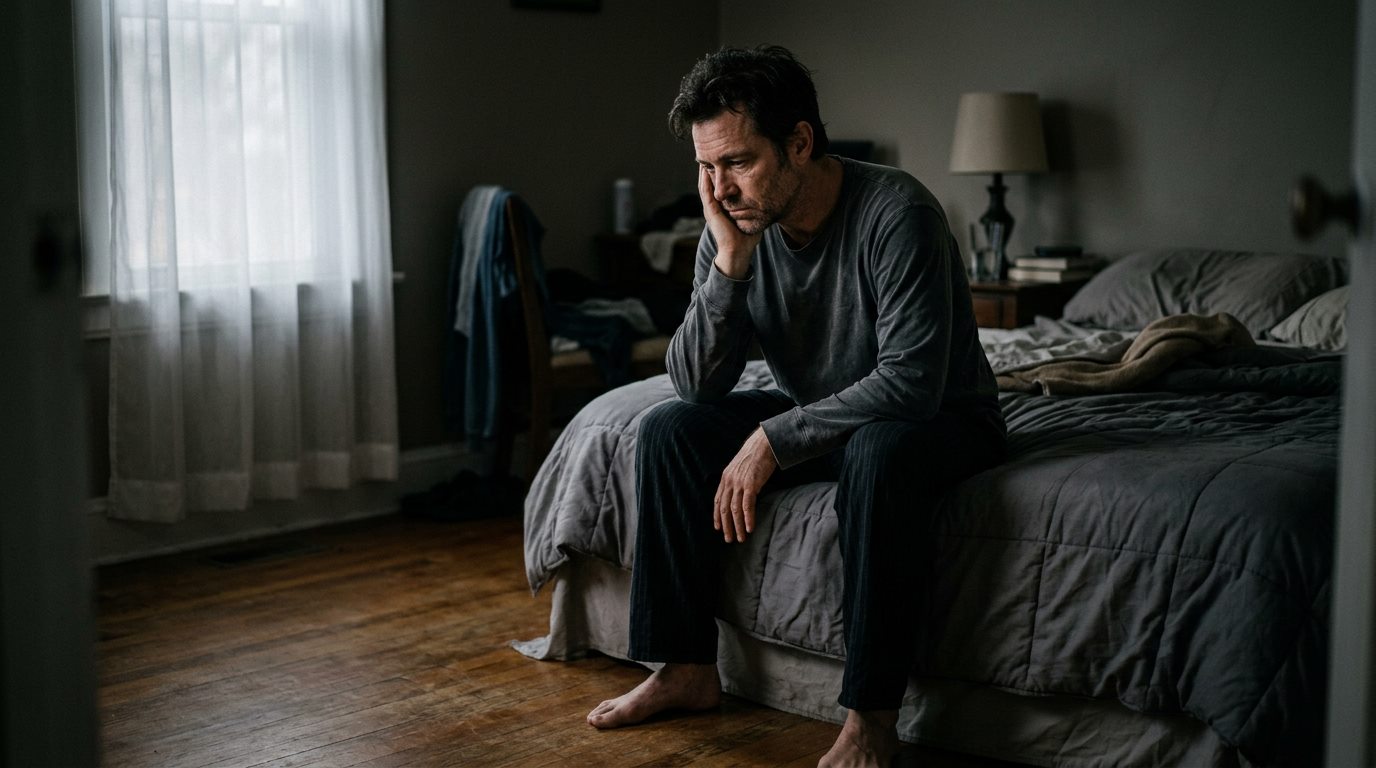
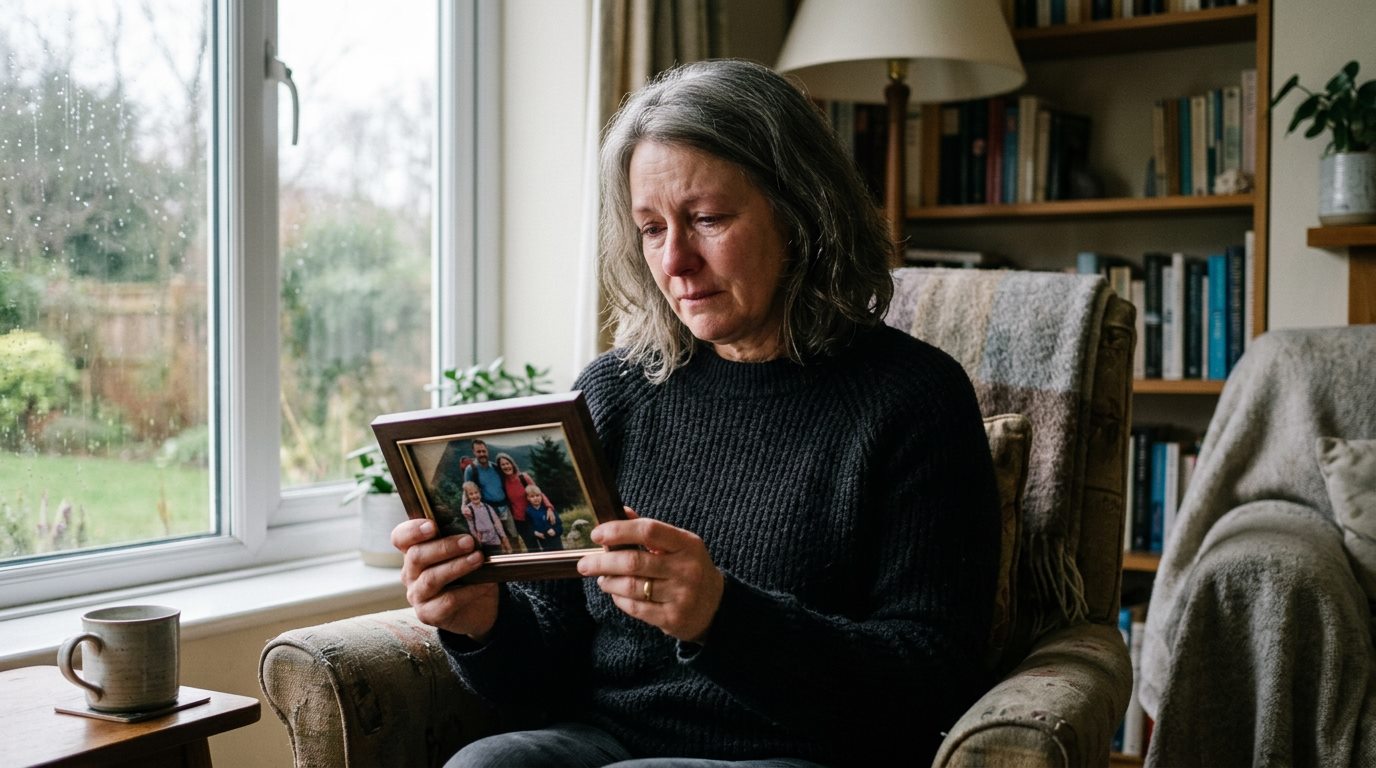
Losing someone you love can turn your whole world upside down. Grief can affect your sleep, your appetite, your focus, and your relationships, sometimes for much longer than you expected. There is no “right” way to grieve, but you do not have to go through it alone. If you are looking for grief counseling in Novi, MI, this guide explains what normal grief looks like, the signs that you may need extra support, and how grief counseling can help.
What Is Grief?
Grief is the natural response to loss. It is most often connected to the death of a loved one, but people also grieve after a divorce, the end of a relationship, a serious illness, a job loss, a miscarriage, or the loss of a pet. According to MedlinePlus, grief can bring a mix of emotions, and it is a normal part of coping with loss.
Grief affects more than your feelings. It can show up in your body, your thoughts, and your daily habits.
Common Grief Reactions
All of these reactions can be a normal part of grieving:
- Emotional: sadness, shock, numbness, anger, guilt, anxiety, or relief
- Physical: fatigue, trouble sleeping, changes in appetite, headaches, or a heavy feeling in the chest
- Mental: trouble concentrating, forgetfulness, or constantly thinking about the person you lost
- Social: pulling away from others, or feeling that no one understands
- Spiritual: questioning your beliefs or searching for meaning
Grief often comes in waves. You may feel okay for a while, then a birthday, holiday, song, or smell brings the pain back. This is normal.

The Stages of Grief: Do They Happen in Order?
You may have heard of the five stages of grief: denial, anger, bargaining, depression, and acceptance. This model, first described by Elisabeth Kübler-Ross, can help put feelings into words. But most people do not move through the stages in a neat order. You may skip some, feel several at once, or return to one months later. Grief is personal, and there is no set timeline.
Grief or Depression? How They Differ
Grief and depression share many symptoms, and grief can sometimes lead to depression. Here are some general differences:
| Grief | Depression | |
|---|---|---|
| Focus of pain | Mainly on the loss and the person who died | A general low mood about most things |
| How it feels | Comes in waves, mixed with good memories | Steady sadness or emptiness most of the day |
| Self-worth | Usually stays the same | Feelings of worthlessness or self-blame are common |
| Enjoyment | Moments of joy are still possible | Little interest or pleasure in most activities |
If you are not sure which one you are dealing with, a mental health professional can help you sort it out.
Signs You May Need Grief Counseling
Many people get through grief with the support of family and friends. Grief counseling may help if:
- Months have passed, and the pain is not easing at all
- You cannot accept that the loss happened
- You feel stuck, numb, or unable to move forward
- You cannot work, sleep, or take care of daily tasks
- You avoid anything that reminds you of the person, or think about them constantly
- You feel intense guilt, anger, or bitterness that will not go away
- You are using alcohol or other substances to cope
- You feel that life has no meaning or purpose without the person
- You have thoughts of wanting to die or join the person who died
If you are having thoughts of harming yourself, please get help right away. Call or text 988 to reach the Suicide & Crisis Lifeline, or call 911.
What is prolonged grief disorder?
For some people, grief stays intense and disabling for a long time. Prolonged grief disorder is a recognized condition in which intense longing for the person, or constant thoughts about them, last for at least a year after the loss in adults and make it very hard to function. It is treatable, and specialized therapy can help.
How Grief Counseling Helps
Grief counseling does not try to make you “get over” your loss. It helps you carry it in a healthier way. A grief counselor can help you:
- Talk openly about the person and the loss in a safe, private space
- Understand and accept the feelings you are having
- Work through guilt, anger, or regret
- Manage sleep problems, anxiety, or low mood connected to the loss
- Handle hard days, such as anniversaries and holidays
- Find ways to honor and remember the person
- Slowly rebuild routines, relationships, and a sense of purpose
Our individual therapy in Novi includes support for grief and loss, with a licensed therapist who works at your pace.
What Happens in a Grief Counseling Session?
Your first session is mostly about getting to know you. Your counselor will ask about your loss, your support system, how you are sleeping and eating, and how grief is affecting your daily life. Together, you set goals for counseling. Later sessions may include talking about memories, learning coping skills, and working through the hardest feelings step by step. Some approaches, such as cognitive behavioral therapy, can be helpful for grief that feels stuck.
How Long Does Grief Counseling Last?
It depends on you and your loss. Some people find that a few sessions are enough to feel steadier. Others, especially after a sudden or traumatic loss, benefit from counseling over several months. You and your counselor can review your progress and decide together.
When a Whole Family Is Grieving
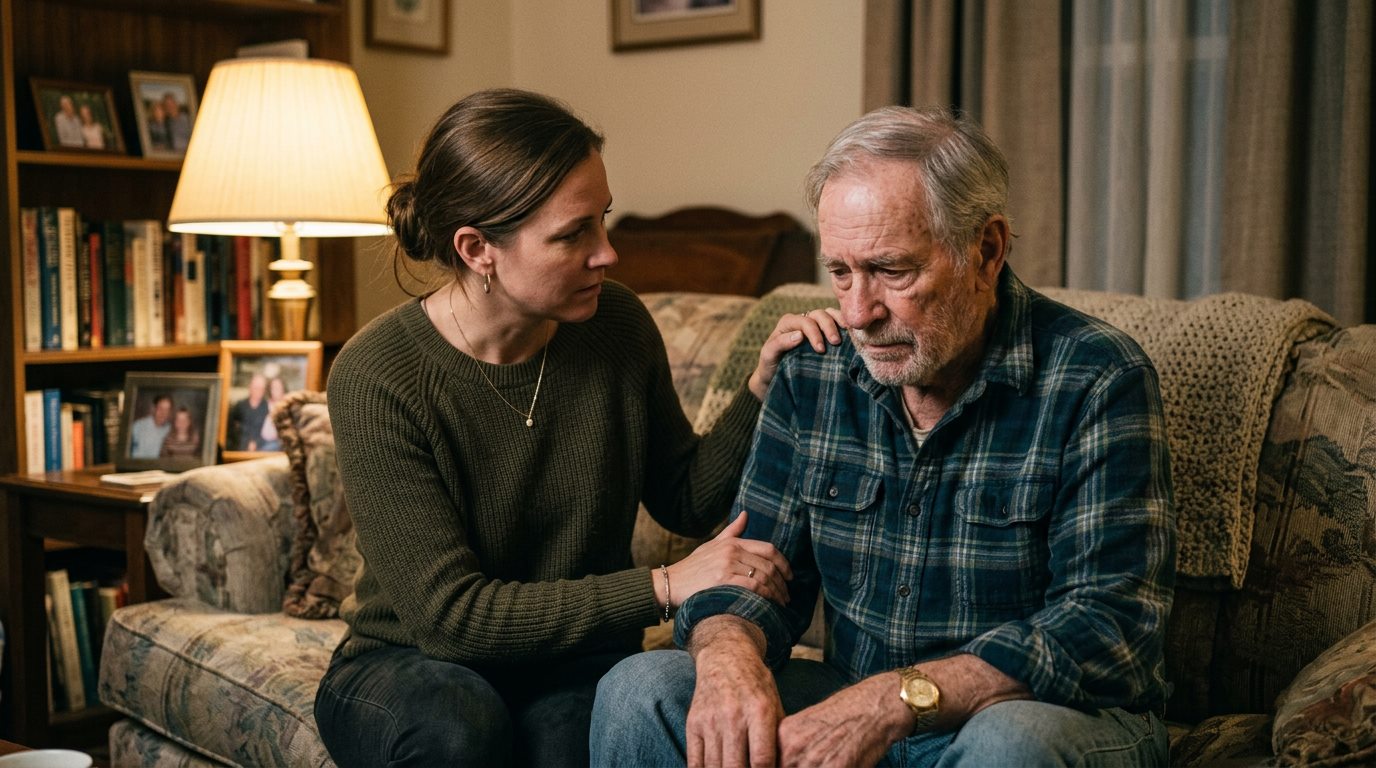
A loss affects everyone in a family, but each person grieves differently. One person may want to talk, while another needs space. Children and teens may show grief through behavior changes instead of words. These differences can lead to conflict at a time when everyone needs support. Family therapy can help family members understand each other, communicate, and support one another through the loss.
Grief Counseling in Novi, MI
At Alliance Behavioral Health Specialists, therapists provide grief and loss support through individual and family therapy. Because our practice also offers psychiatric care, we can help if grief has led to depression, anxiety, or sleep problems that need more support.
Our office is at 43155 Main St, Suite #2316, in Novi, Michigan, and serves people from Northville, Farmington Hills, Wixom, Commerce Township, Walled Lake, and nearby communities. Call (248) 934-0274 to ask about scheduling and insurance.
Frequently Asked Questions
How do I know if I need grief counseling?
If grief is making it hard to function, is not easing over time, or you feel stuck or alone with it, grief counseling can help. You do not need to wait until things feel unbearable.
Does grief counseling really work?
Many people find that counseling helps them understand their feelings, cope with hard days, and move forward while still honoring their loss. It can be especially helpful for prolonged or complicated grief.
Is it normal to still grieve after a year?
Yes. Grief does not follow a calendar, and many people still feel waves of sadness years later. It may be a concern when grief stays so intense that it keeps you from functioning.
Can I get grief counseling for a divorce or breakup?
Yes. Grief is not only about death. Divorce, breakups, job loss, health changes, and the loss of a pet can all cause real grief.
What is the difference between grief counseling and grief therapy?
The terms are often used the same way. Some people use “grief therapy” for more intensive treatment of prolonged or complicated grief.
Does insurance cover grief counseling?
Many plans cover therapy with a licensed provider, but coverage varies. Call the number on your insurance card, then confirm with the provider’s office.
This article is for general educational purposes and is not a substitute for professional medical advice, diagnosis, or treatment. If you are in crisis or thinking about harming yourself, call or text 988 (Suicide & Crisis Lifeline) or call 911.