
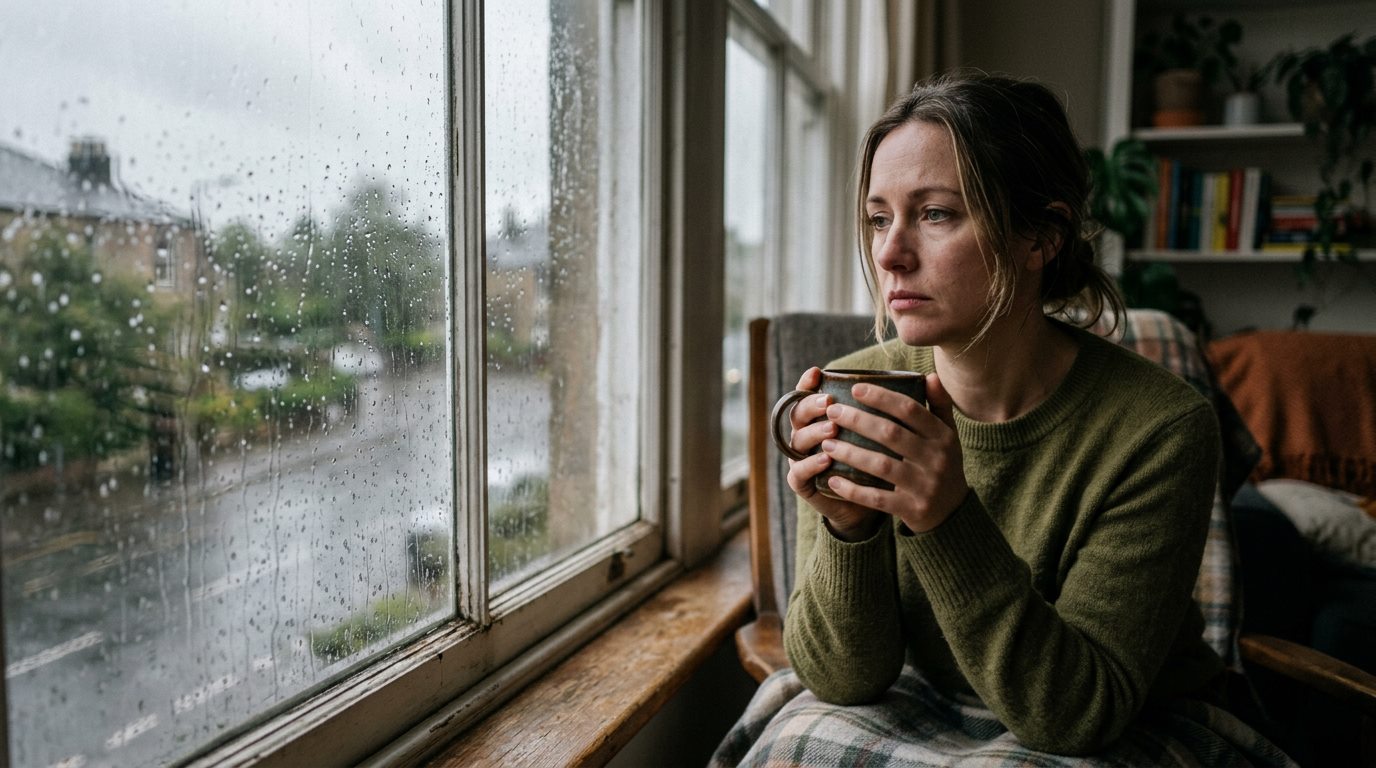
Depression rarely has one simple cause. If you have been asking yourself what caused it, or why you feel this way when nothing obvious is wrong, you are not alone. For most people, depression develops from several factors acting together.
This guide explains the common causes and risk factors for depression, the signs to watch for, and when it makes sense to get help.
What Causes Depression? The Short Answer
According to the National Institute of Mental Health, research suggests that genetic, biological, environmental, and psychological factors all play a role in depression. It can affect anyone, regardless of age, race, income, culture, or education.
Having a risk factor does not mean you will develop depression, and some people develop it without any clear trigger. Depression is a health condition. It is not a personal failure or a sign of weakness.
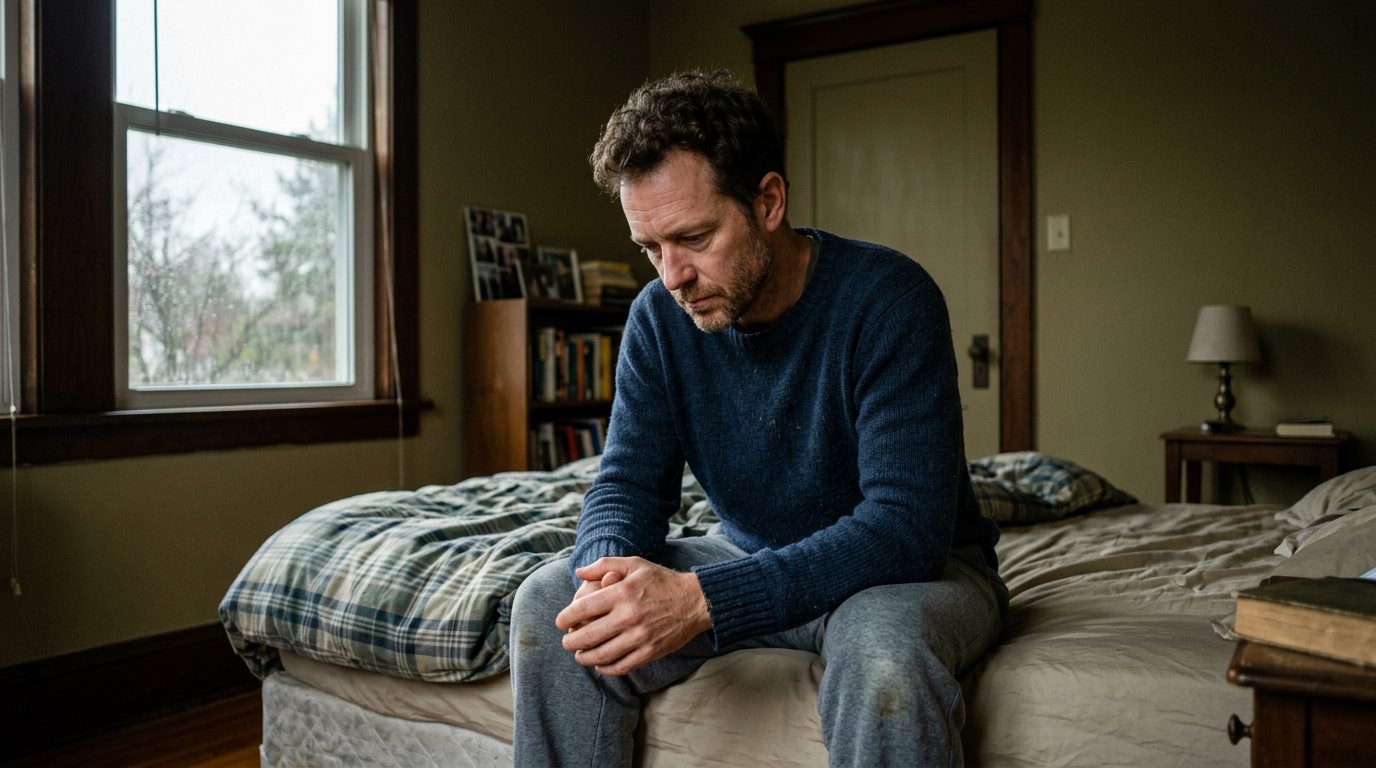
Common Causes and Risk Factors for Depression
Family history and genetics
Depression can run in families. A close relative with depression may raise your risk, but it does not mean you will develop it yourself.
Brain and body changes
Depression can involve changes in how the brain regulates mood. Hormonal changes, such as those during pregnancy, after childbirth, or around menopause, may also play a part for some people.
Stressful or traumatic experiences
Abuse, trauma, or a difficult childhood can raise the risk of depression, sometimes many years later. Long-term stress at work, at home, or with money can also wear a person down over time.
Loss and major life changes
The death of a loved one, a divorce, a job loss, or a move can trigger low mood. Even positive changes, such as a new job or a new baby, can bring stress that contributes to depression.
Relationship problems and loneliness
Ongoing conflict and a lack of social support are both linked to depression, and depression can in turn make relationships harder.
Medical conditions and medications
Chronic pain and long-term illnesses, including heart disease and diabetes, are linked to depression. Certain medications can also affect mood. If your symptoms began after starting a new medication, talk to your prescriber, and do not stop taking it without medical advice.
Substance use
Alcohol and other substances can worsen depression, and depression can also lead some people to use them more. When both are present, it usually helps to address them together.
Other mental health conditions
Depression often occurs alongside other conditions, such as anxiety. Treating only one may leave you still feeling unwell, which is why a full evaluation can be useful.
Sadness vs. Depression: What Is the Difference?
| Sadness | Depression | |
|---|---|---|
| Duration | Usually passes with time | Lasts most of the day, nearly every day, for at least two weeks |
| Cause | Often linked to a specific event | May have a trigger, or no clear reason at all |
| Enjoyment | You can still enjoy some things | Loss of interest in things you used to enjoy |
| Daily life | You can usually keep up with daily tasks | Affects work, sleep, appetite, or relationships |
Signs of Depression to Watch For
Symptoms vary from person to person, but they can include:
- Feeling sad, empty, or hopeless much of the time
- Losing interest in hobbies, people, or activities
- Sleeping too much or too little
- Changes in appetite or weight
- Low energy or constant tiredness
- Trouble concentrating or making decisions
- Feeling worthless or overly guilty
- Irritability or restlessness
- Thoughts of death or suicide
Only a qualified professional can diagnose depression. Some medical conditions can cause similar symptoms, which is one more reason a proper evaluation matters.
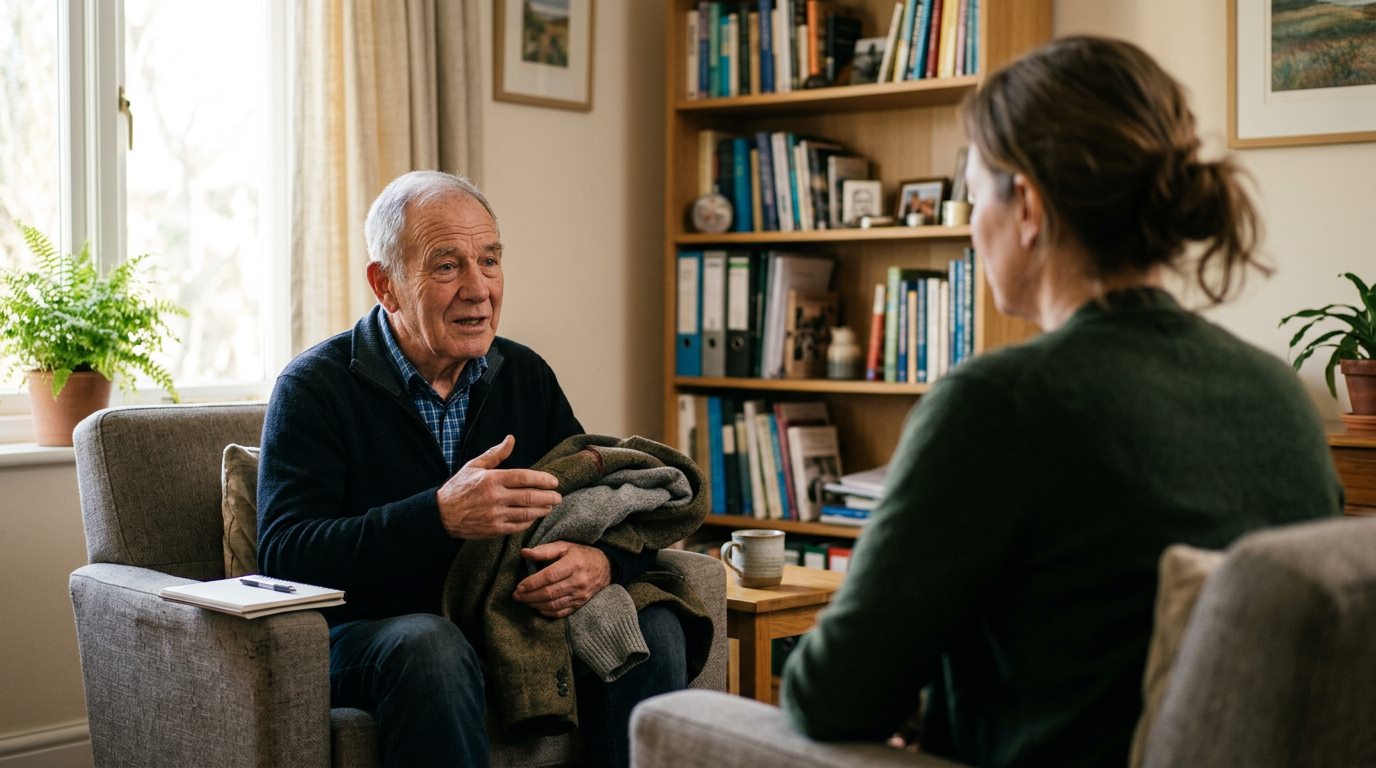
How Depression Is Treated
Depression is treatable, and you do not need to know exactly what caused it before getting help. Treatment depends on your symptoms and needs, and it often includes:
- Therapy: talking with a therapist can help you understand your triggers, change unhelpful thought patterns, and build coping skills.
- Medication: antidepressants can help some people, especially when symptoms are moderate or severe. It can take time to find the right medication and dose.
- Combined care: many people do well with therapy and medication together.
Everyday habits, such as regular sleep, physical activity, and time with supportive people, can also help alongside treatment.
Depression Therapy and Counseling in Novi, MI
You do not have to wait until things feel unbearable. It is worth reaching out if your symptoms have lasted two weeks or more, or if they are affecting your work, your relationships, or your health.
Alliance Behavioral Health Specialists offers therapy and psychiatric care in one practice in Novi, Michigan. You can speak with a therapist through individual therapy, or talk with a provider about medication management if medication may be part of your care.
Frequently Asked Questions
What is the main cause of depression?
There is no single main cause. Research points to a combination of genetic, biological, environmental, and psychological factors, and the mix is different for each person.
Can depression happen for no reason?
Yes. Some people develop depression without an obvious trigger, even when life seems to be going well. That does not make it any less real or treatable.
Is depression hereditary?
It can run in families, but genes do not decide the outcome. Many people with a family history never develop depression, and many people without one do.
Can stress cause depression?
Long-term or severe stress can contribute to depression, especially when combined with other risk factors. Not everyone who experiences stress becomes depressed.
Will depression go away on its own?
Sometimes symptoms ease, but depression can last or return without treatment. If your symptoms continue, it is a good idea to get them checked.
This article is for general educational purposes and is not a substitute for professional medical advice, diagnosis, or treatment. If you are in crisis or thinking about harming yourself, call or text 988 (Suicide & Crisis Lifeline) or call 911.